


Drum roll please! Here’s a New York Times Book Review for the Bridge Ladies. Before I read any review, I say a little prayer. Then I speed read. If it’s good, I feel I’ve dodged a bullet, slipped the noose. I read it again, slowly. Then, following relief, I wish it was longer, more enthusiastic, penned by Cynthia Ozick, with lots of crunchy pull quotes. Did they mention my gorgeous similes? Or how if you’re only going to read one book this year: this is it. Did the gates of heaven open? Did Idris Elba ask me out? Did Bette Midler call and say she has to play my mother? Reviews are mind fucks, full stop. But I’m grateful for this one. Don’t get me wrong. Love, Betsy
THE BRIDGE LADIES – NEW YORK TIMES BOOK REVIEW
A Memoir
By Betsy Lerner
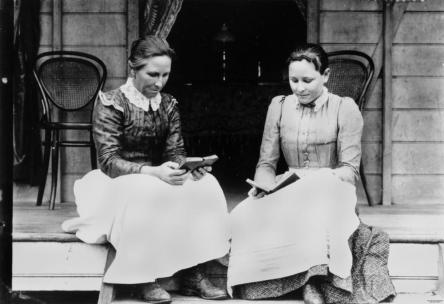
Lerner’s childhood memory of the women in her mother’s bridge club, “their hair frosted, their nylons shimmery, carrying patent leather pocketbooks with clasps as round as marbles,” conjures the magic mothers hold for little girls. But her grown-up relationship with her mother is messy and tense. Then Lerner, a middle-aged literary agent, seizes on a scheme for better understanding. She will tail her mother to her Monday afternoon bridge game, still running after more than 50 years.
At first, bridge bores Lerner. More than once, she’s tempted to check her phone. She had imagined she’d be encountering a senior division of the gossipy female-empowerment rituals she enjoys with friends her own age, but these bridge ladies are old school. She probes for revelations: When did they lose their virginity? How do they feel about aging, death? The ladies parry with a wall of propriety. Worse, the mother-daughter bond still grates. Clothing choices, housekeeping techniques — “every comment she made felt like a referendum on how I lived my life.” Tit for tat, she labels her mother the Duchess of Protocol for her meticulous makeup, her matching craft-fair jewelry sets, her restraint in the face of grief.
When Lerner resolves to join the game, she discovers that bridge is more complicated than it seemed. And so it is with the ladies. Slowly, through an accumulation of sharply observed details, they reveal themselves: How they followed the rules in life as in bridge. How they achieved their aspirations early, marrying proper Jewish men and raising their children. How they manage just fine now, thank you, on their own. Their stories are so similar that Lerner defines them more clearly as a group than as individuals, but she does come to respect them, and she and her mother edge closer to spiky affection.
Lerner’s memoir makes a case for spending time together under the rules of neutrality imposed by a game, an approach to living that refrains from over-sharing and outward complaint to concentrate on the task at hand. The bridge ladies are there for one another, even as they keep their feelings to themselves and play on.
Filed under: Uncategorized | 14 Comments »





 What makes a writer turn to fiction vs. non-fiction? To poetry? Is it something internal or outside influences? How does the imagination form? For me, in high school, when I discovered poetry it was like being understood for the first time. And I barely understood what I was reading. I think it was like the way music makes sense to some people.


 Betsy Lerner